
US Navy Intercepts Iranian Oil Tanker: Report Raises Questions Over Maritime Security
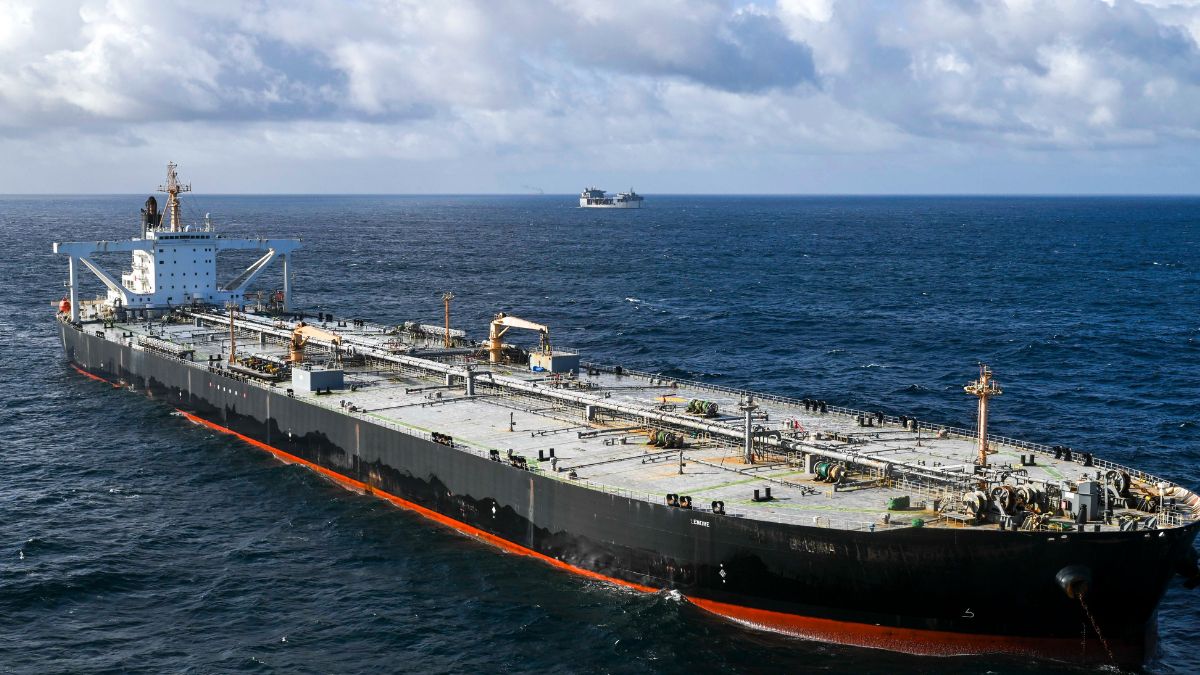
A fresh story in the news says American forces stopped an Iranian oil ship thought to be carrying restricted fuel across the Indian Ocean. The boat, named MT DAVINA, got approached by U.S. troops during a mission at sea meant to enforce trade limits.
Right now, what we know comes mostly from local news stories along with comments said to come from American defense officials. So far, few global organizations have stepped forward with their own verification.
This latest event pulls focus back onto rising friction between the U.S. and Iran – routes tied to world oil flow sit at the center of it all.
What Happened?
Off the coast of India, a ship named MT DAVINA got stopped by American troops. Heading east, it supposedly held oil from Iran. Rumors said China was the destination. Military sources confirmed the encounter happened midweek.
From what sources say, US Marines took part in the mission, working through the Indo-Pacific Command structure. Inspection steps followed after personnel got on board, supposedly to back up current sanction rules and sea-based policies.
Footage of the mission reportedly popped up on military-run social media accounts. Crude markets sometimes shift when analysts watch U.S. Navy moves, such as halting an Iranian oil vessel, due to tensions affecting supply fears.
Keep in mind, though, these situations tend to shift quickly – new updates from authorities might help make things clearer later.
Why Is the MT DAVINA Significant?
Since 2024, the tanker apparently faced US sanctions. It’s said to have been blocked by American restrictions during that time. Reports indicate it could not operate freely after that year began. The vessel was caught in sanction measures starting then. From 2024 onward, access was cut due to those penalties.
Washington says it caught a ship moving Iranian oil, even though rules forbid such trade. Officials see this as one move in a larger push to cut off money coming from Iran’s oil sales.
Out here, the reported seizure shows how tightly those penalties are being applied far past usual coastal zones. Though seen before, such actions now stretch further into open sea. With little surprise among observers, authorities maintain pressure where oversight once loosened. Even beyond clear borders, control holds steady. Not confined by old limits, enforcement moves ahead regardless.
Should it happen, the move would show how ready the U.S. is to watch – then step into – restricted maritime operations along key global routes. Watching moments such as a Navy stop of an Iranian oil vessel matters to experts, since tensions tied to power struggles may shift the cost of crude oil.
US-Iran Relations Remain Highly Sensitive
The reported operation comes against the backdrop of long-standing tensions between the United States and Iran.
Relations between the two countries have remained strained over issues including:
- Nuclear negotiations.
- Regional military activities.
- Economic sanctions.
- Maritime security.
- Oil exports.
Over the years, both nations have accused each other of actions that threaten regional stability. Shipping routes in and around the Persian Gulf have frequently become focal points during periods of heightened diplomatic friction.
Analysts often view maritime enforcement operations as part of a broader geopolitical strategy rather than isolated incidents.
The Strategic Importance of the Indian Ocean
Flowing through the heart of maritime routes, the Indian Ocean carries much of the world’s shipping traffic. Energy supplies move across its waters, linking distant regions without fanfare.
Most of the planet’s oil moves across linked sea paths connecting the Middle East to Asia. Flowing into factories and cities, fuel arrives by ship, vital for nations like China, India, Japan, then South Korea. Their power needs lean on what floats in from distant wells.
When things go wrong out there, ripples spread fast through shipping lanes and energy markets. Shaking up sea routes doesn’t just slow cargo – it pushes fuel costs around the world higher. A single blockage might start small yet ends up nudging economies off balance. Trouble on the water hardly stays local for long – markets feel it within hours. Even brief standstills reshape how goods move and what power costs everywhere.
Now here comes a twist – the incident with MT DAVINA pulled focus far past local power moves, since shaky safety on key sea lanes keeps raising alarms. A vessel caught in tension shows how fragile these water paths really are.
The Role of the Strait of Hormuz
Some accounts mentioning the event bring up the Strait of Hormuz – this narrow passage ranks among Earth’s key maritime routes. Though small, its role shapes much of how oil moves across oceans. Because so many tankers pass through here, any disruption draws global attention. Tension near these waters often echoes far beyond the region itself.
Besides linking the Persian Gulf to the Gulf of Oman, this tight waterway feeds into the Indian Ocean. Through it moves about 20 percent of the world’s oil usage.
Should things heat up around there, eyes turn fast to the Strait of Hormuz – its quiet shifts often ripple through world fuel costs. A small spark near those waters tends to shake how much nations pay for oil.
When things get shaky, shipping firms might shift their paths. Insurance gets bumped up sometimes instead. Other times, extra guards show up on vessels. Changes like these tend to appear when tensions rise nearby.
Why China Is Part of the Discussion
Still topping global energy use charts, China pulls in massive volumes of crude oil from multiple countries. Oil flows into the nation through deals with a wide range of foreign producers.
Nowhere is it clearer than in the shadowy flow of crude where tankers twist across seas, their routes disguised – yet clues pile up pointing to China receiving Iranian barrels by ways hard to trace. Numbers stay foggy on purpose, hidden behind layers of middlemen, ship swaps, ghost fleets, each turn masking origin; still patterns emerge despite blocks meant to cut trade off.
Should the stories about MT DAVINA hold up, it might’ve slipped into that wider network delivering fuel. Not every ship fits neatly, yet this one could line up with those movements. Details remain thin, still, the pattern suggests a link. Hard proof? Missing. But timing and route add weight. What if it did play a role after all?
One wrong move might stir tension between the U.S. and Iran – then spill into global markets without warning. Trade routes blink, then shift, when trust frays at the edges.
Maritime Sanctions Enforcement
Sanctions enforcement at sea has become an increasingly important aspect of international policy.
Governments often rely on a combination of:
- Intelligence gathering.
- Satellite monitoring.
- Vessel tracking systems.
- International partnerships.
- Naval patrol operations.
Ships suspected of violating sanctions may face inspections, asset freezes, or restrictions on future operations.
Such actions are generally intended to discourage the movement of prohibited goods and ensure compliance with international regulations.
Potential Impact on Global Oil Markets
Although a single vessel interception may not significantly affect overall supply, repeated incidents can create uncertainty in energy markets.
Oil traders and investors closely monitor geopolitical developments because they can influence:
- Shipping costs.
- Insurance premiums.
- Freight availability.
- Supply chain reliability.
- Crude oil prices.
Historically, increased tensions involving major oil-producing regions have contributed to short-term market volatility.
What Has Been Officially Confirmed?
Right now, most of what we know comes through news coverage, along with claims made by armed forces. Information flows mainly from press stories tied to official battlefield updates.
Later details might come through trusted global outlets or national authorities – keep an eye out. Updates will likely arrive where reliable sources post them first. What matters often shows up in announcements made by those already known for accuracy.
When world events shift quickly, facts might update once fresh information shows up.
Truth comes first when stories are still unfolding. What is known needs room apart from what might be. Clear lines keep things honest. Assumptions wait behind proof. Details stand only when checked. Reports hold weight by what they confirm; never guess.
What the US Navy Intercepts Iranian Oil Tanker Report Claims
Out near the Indian Ocean, a ship named MT DAVINA got stopped by U.S. Navy crews, news says. This happened after claims surfaced about it moving forbidden Iranian oil. Instead of sailing straight to China, the crew found themselves facing inspection mid-route. Right now, facts remain thin but interest runs high across nations. Tensions ripple quietly through trade routes and energy discussions alike.
Why the US Navy Intercepts Iranian Oil Tanker Story Matters
The reason the US Navy intercepts Iranian oil tanker incident has become a major talking point is its connection to ongoing geopolitical tensions. Maritime experts believe that enforcement actions involving sanctioned vessels can influence global shipping routes, energy supplies, and diplomatic relations between major powers.
Global Impact of the US Navy Intercepts Iranian Oil Tanker Operation
If the reports are confirmed, the US Navy intercepts Iranian oil tanker operation could have broader implications for international trade. The Indian Ocean and the Strait of Hormuz remain critical corridors for crude oil transportation, and any disruption can affect freight costs and market confidence.
Could the US Navy Intercepts Iranian Oil Tanker Incident Affect Oil Prices?
Analysts often monitor events like the US Navy intercepts Iranian oil tanker operation because geopolitical uncertainty can influence crude oil prices. Even isolated maritime enforcement actions may create short-term volatility in global energy markets.
Conclusion
Out here, news spreads fast when a ship changes course under military watch. This one involves the U.S. Navy stopping the MT DAVINA, an Iranian oil carrier, sparking talk across continents. Not every detail is clear yet, but governments are paying close attention. Days might pass before full statements arrive from officials. Still, what’s obvious is how sea routes shape power moves between nations. Enforcing trade limits isn’t new – it just became visible again through steel hulls and ocean currents.
Though local outlets have covered the event extensively, more verification from authorities, along with outside accounts, might clarify the details. What actually happened could become better understood once additional sources weigh in.
Right now, this event highlights just how crucial sea routes are to global commerce – shaped heavily by the reach of trade penalties across nations. Still, it shows how tightly linked ocean pathways remain to wider political pressures shaping markets today.