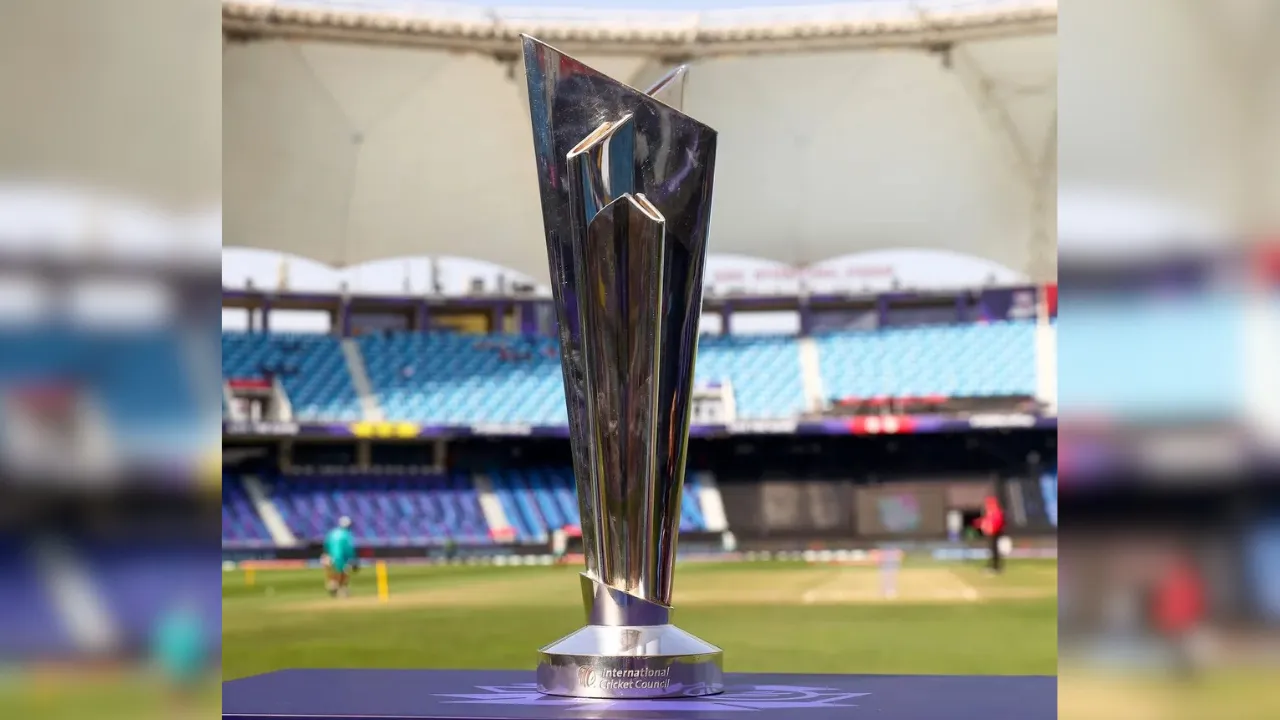


Pakistan boycotts India match, marking another dramatic chapter in the long history of political and sporting tension between the two nations. The decision has once again highlighted the complex intersection of geopolitics and international cricket. While Pakistan’s withdrawal has sparked debate and controversy, India will continue its tournament campaign by traveling to Sri Lanka in full compliance with International Cricket Council (ICC) rules.
The Pakistan cricket team has officially canceled its scheduled match against India, adding to the lengthy history of political and sporting animosity between the two countries. The decision has once again thrown the nexus between geopolitics and international cricket into sharp relief. While Pakistan’s withdrawal has caused debate and controversy, India plans to continue its championship adventure by traveling to Sri Lanka in complete compliance with the International Cricket Council’s (ICC) standards.
Cricket is frequently portrayed as more than just a sport in South Asia, reflecting diplomatic realities between the two adjacent countries. Matches between India and Pakistan are among the most highly anticipated athletic events in the world, attracting large broadcast audiences and generating tremendous commercial revenue. However, these interactions are also the most vulnerable to political disturbances, as has been demonstrated yet again.Pakistan boycotts India match.
Pakistan Boycotts India Match: Reasons and Political Context
Pakistan’s decision to boycott the match against India was not taken in isolation. Bilateral cricket between the two countries has been mostly discontinued in recent years due to political concerns, with meetings limited to ICC competitions and multi-nation events. Even within these events, arguments over locations, travel, and security measures have frequently created conflict.
Pakistan’s unwillingness to play was based mostly on political and logistical considerations. While official comments avoided using provocative rhetoric, it was evident that larger diplomatic considerations impacted the decision. The boycott basically gave India a walkover in the match, with both sporting and symbolic ramifications.Pakistan boycotts India match.
ICC Regulations and Tournament Integrity
The International Cricket Council has well-defined regulations for handling such situations. According to ICC regulations, if a team fails to play a planned match due to valid force majeure circumstances certified by the governing body, the opposing team is awarded the points. This structure is intended to maintain tournament integrity while also ensuring that political issues do not completely disrupt competitive balance.Pakistan boycotts India match.
In this case, the ICC confirmed that the match would be declared a forfeit, allowing India to receive all points. More crucially, the ICC stated that India will face no penalties or schedule modifications as a result of Pakistan’s decision.Pakistan boycotts India match.
India’s Move to Sri Lanka
Following the boycott, India will go to Sri Lanka, where its next matches are planned. This adjustment is completely consistent with ICC norms and the tournament’s initial logistical plan. Indian cricket administrators highlighted that the team’s focus remains solely on performance and preparation, not off-field concerns.Pakistan boycotts India match.
Sri Lanka has increasingly become a neutral or alternate destination for international cricket, especially when political issues in the region disrupt hosting arrangements. Sri Lanka’s well-established infrastructure and expertise hosting big ICC events provide stability and consistency, which are critical for a successful tournament.Pakistan boycotts India match.
Impact on the Tournament
Pakistan’s withdrawal from the match has obviously had an impact on the tournament’s competitive narrative. Fans were denied one of cricket’s most heated rivalries, while broadcasters and sponsors saw lower viewing for what would typically be a showpiece match. Financially, India-Pakistan matches are among the most lucrative in world cricket, frequently accounting for a sizable portion of tournament earnings.Pakistan boycotts India match.
From a sporting standpoint, the boycott has altered point tables and qualification possibilities. India’s automatic points boost its position, but Pakistan’s chances have taken a significant knock. Critics claim that such decisions harm the spirit of competition, while supporters of the boycott believe that national interests must come first.Pakistan boycotts India match.
Reactions from the Cricketing World
Former players, analysts, and fans have had conflicting reactions. Some former cricketers expressed dissatisfaction, claiming that athletes should not bear the brunt of political issues. Others defended Pakistan’s position, claiming that cricket cannot be isolated from national policy.Pakistan boycotts India match.
In contrast, Indian officials and players have mostly avoided public opinion. This reticence looks deliberate, showing a wish to avoid worsening tensions and to adhere to ICC norms. The ICC has reaffirmed its commitment to neutrality, emphasizing that its purpose is to manage the sport fairly rather than to settle political disputes.
The Broader Context of India-Pakistan Cricket
The most recent episode emphasizes a reoccurring issue for international cricket: how to handle geopolitical rivalries without jeopardizing the sport. India and Pakistan last played a full bilateral series over a decade ago, and chances of a resumption are unlikely. As a result, ICC events are especially important since they provide rare opportunity for on-field competition between the two teams.
However, persistent disruptions risk undermining the legitimacy of such tournaments. Fans are increasingly questioning whether sporting events can truly be apolitical, especially when teams choose to participate or withdraw.
Looking ahead
As India begins its campaign from Sri Lanka, the focus will return to on-field performance and outcomes. Pakistan’s status in the competition, however, is unknown, with potential disciplinary or financial implications based on ICC findings.
This episode may also spark fresh talks at the ICC regarding contingency preparedness, impartial sites, and clearer procedures for political disputes. For cricket to prosper on a global scale, consistency and fairness must remain vital.
Conclusion
Pakistan’s boycott of its match against India highlights the tenuous link between politics and sports in South Asia. While the decision denied spectators a high-stakes battle, the ICC’s rules have insured that the tournament continues uninterrupted. India’s smooth transfer to Sri Lanka demonstrates how established regulations may maintain order in the midst of conflict.
Finally, the episode serves as a reminder that, while cricket can bring millions together, it also reflects the realities of life outside the boundary ropes. Whether future championships can avoid similar scenarios will be determined by diplomacy, governance, and a shared desire to elevate sport above politics.
About The Author