
TMC Internal Crisis 2026: Why Low Attendance at Mamata Banerjee’s Meeting Matters
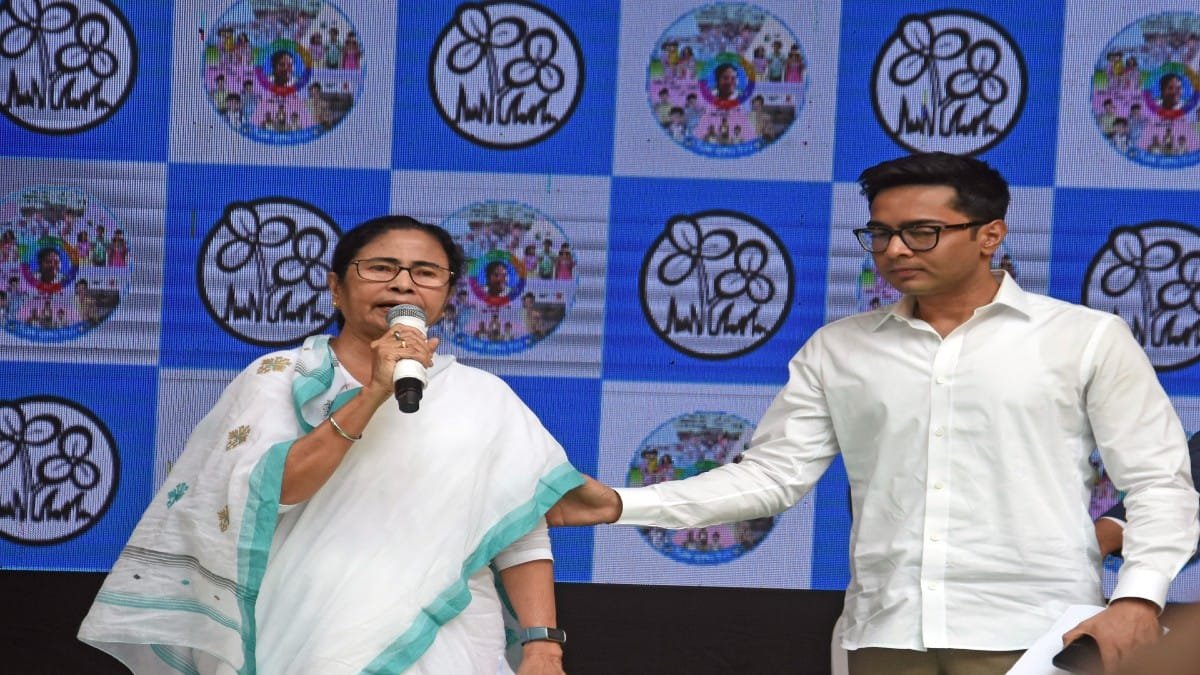
Lately, things inside the TMC have grabbed attention across the country. Eyes turn toward how leaders act when meetings happen behind closed doors. At Mamata Banerjee’s home in Kolkata, a gathering stirred whispers among those who follow politics closely. This isn’t just about seats or titles – something deeper seems to be shifting under the surface. One moment stands out: voices rising during what was meant to be routine coordination. People wonder where trust lies now within the group. A mood lingers – not panic, but uncertainty mixed with quiet tension. For years, the party now feels like it’s balancing on uneven ground. What happens next depends less on statements and more on unspoken loyalties tested behind walls. Even small gestures carry weight these days. Quiet steps matter more than loud speeches.
Surprise rippled through both insiders and watchers when few officeholders showed up for the gathering meant to shape the group’s next moves and internal setup. Few saw that coming.
Even so, fresh picks by Trinamool Congress bosses have done little to quell whispers. Confidence in top figures remains official policy. Yet doubt lingers around every corner. Some see routine reshuffling. Others sense a deeper strain taking hold beneath the surface. The uncertainty refuses to fade.
Low Attendance Raises Political Questions
Surprisingly few legislators showed up at the gathering hosted by Mamata Banerjee in her Kalighat home. Though meant to tighten the party’s reach across the country while bracing for future electoral battles, attendance dipped well short of what had been hoped. Quietly, the room felt emptier than promised.
A few MLAs and MPs showed up, party insiders say, along with what newspapers have written. Because of that, people in politics are now wondering what it means.
Most times, who shows up at big group talks hints at how well leaders talk to each other inside a party. A drop in presence makes experts wonder if something bigger is going on behind the scenes.
Right now, the Trinamool Congress leaders haven’t said anything official about a breakup inside the group. Still, almost nobody showing up made people start whispering at every corner meeting.
Folks who watch politics closely now see the TMC’s inner turmoil story picking up speed – this shift came right after barely anyone showed up for a gathering that usually draws big crowds. A quiet room, when it should have been loud, made people wonder what’s really happening behind closed doors.
Mamata Banerjee Focuses on Organizational Strength
Even with worries about who showed up, much of the talk focused on building stronger systems for the group across the country and within individual states.
From the start, Mamata Banerjee made clear that order within the ranks matters most. At this week’s gathering, new roles were handed out – each meant to tighten how teams work together. Structure, she believes, grows best when built from the ground up. Changes came quietly, without fanfare, fitting the mood of steady progress.
It wasn’t long ago that Abhishek Banerjee stepped into the spotlight, yet now he remains firmly in place as National General Secretary. With each passing year, his presence inside the group has deepened – this recent choice only underlines what was already clear. Those at the top still see something dependable in him, a steady hand amid shifting currents.
Stability often follows when top leaders stay in place, say experts watching politics closely. Through uncertain times, steady figures at the helm make a difference, according to those who track governance trends.
Abhishek Banerjee Retains Key Position
What caught most eyes wasn’t a new name, but keeping Abhishek Banerjee in his role as National General Secretary. Though many updates came through, this one stood out simply by staying put.
These days, Abhishek Banerjee shows up everywhere for the Trinamool Congress – busy shaping how things run inside the party while also stepping into bigger political conversations across India.
Now stepping into key roles are two new National Joint Secretaries, meant to help handle wider party operations. Taking on extra duties, Derek O’Brien and Dola Sen bring experience from years in Parliament. Seen through the eyes of loyalists, keeping Abhishek Banerjee signals a move toward steadying recent tensions inside the TMC. Stability seems to be the quiet aim behind holding onto familiar leadership faces.
Some see these choices as a move meant to clear up messaging, while making operations run more smoothly before upcoming elections. Not everyone agrees, yet the timing suggests preparation plays a role, especially with votes on the horizon. A clearer structure might help coordination, though effects remain uncertain down the line.
Major Organizational Changes Announced
A fresh face now leads the state unit – Chandrima Bhattacharya steps into the role of State President, her path cleared by recent shifts. Holding steady in his post, Subrata Bakshi remains at the table as Vice President on the National Working Committee. Behind closed doors, some analysts see these moves as quiet fixes aimed squarely at cooling tensions within TMC’s ranks.
Other leaders took on key roles, showing efforts to balance representation from varied areas and communities within the group’s structure.
Swati Khandekar joins the group, following appointments that brought in Nayana Bandyopadhyay. One after another, they stepped into their roles – Mamta Thakur first, then Sajda Ahmed was named to the position. Each was chosen for the role at the state level. Names are now listed together under the new leadership structure.
Right now, five names show up as State General Secretaries: Babar Ali appears first, then Pulak Roy follows close behind. After them comes Ashima Patra, stepping into the lineup without delay. Next in line is Arup Biswas, taking his place quietly. Last on the list stands Rajib Banerjee, completing the group.
Now comes movement inside the group, hinting leaders are shaping things behind the scenes even as rumours swirl outside. Shifts across different branches might quietly soften the blow of inner tensions where members actually work on the ground.
Youth and Social Wings Receive New Leadership
Outside the main party structure, shifts popped up in groups tied closely to the Trinamool Congress. While regional branches adjusted roles, youth and women’s divisions saw new faces take charge. Some departments reworked leadership mid-year, others reshuffled quietly by month’s end. Even volunteer networks felt the ripple – new names on duty rosters, old ones stepping back without notice.
Now leading the youth wing as its president is Sayoni Ghosh, whereas Madhurima Thakur takes on the role of general secretary within the same group.
Leading the women’s wing fell to Mala Roy, while Priyanka Adhikari took charge of the student group instead. Though in different roles, each found their place without overlap.
Now come fresh faces leading the labour groups, farm communities, street vendors, along with SC/ST units – a sign work’s underway to strengthen ties deep within varied pockets of society.
Before big elections, political watchers see these reshuffles as a way to wake up party members while boosting how far the group can reach. Not just movement for show – it tends to spark activity where it matters most.
Does Low Attendance Mean a Party Split?
Though some accounts call this moment evidence of unrest inside, jumping to say the Trinamool Congress has officially broken apart goes too far. Then again, whispers of strain aren’t appearing out of nowhere.
Now comes a time when party members argue more, question who should lead, then reshape how things work. When election losses hit, or the political ground shifts, these moments tend to surface. Through such stretches, internal friction grows alongside fresh demands for change. Who speaks for the group? How decisions unfold? These questions gain weight. Not every faction agrees on answers. Some push hard one way, others resist. Leadership contests emerge without warning. Old alliances weaken. New ones form quietly. Structure tweaks follow, though rarely fast enough. After defeat, pressure builds from within. Change feels urgent to some, risky to others. The balance tips slowly.
One reason folks might skip a meeting? Schedules clash more often than expected. Sometimes decisions already get shaped in quiet talks behind the scenes. Disagreements on direction tend to keep people away too.
Still, more people now pay attention to where the party might head next because of how things have unfolded.
Keeping things together could stay central for Mamata Banerjee as changes unfold inside her party. Though adjustments are expected, holding the group steady might matter most in the time ahead.
Growing Political Speculation Around the TMC Internal Crisis
Now comes word of fresh unrest spreading through West Bengal and neighboring regions. Because of sparse turnout at the National Executive Committee gathering, opposition groups insist discontent runs deep among elected members. Still, those at the top of the Trinamool Congress refuse to confirm such reports. Quiet lingers where answers might be expected.
Out in the open, what happens behind closed doors stirs chatter across cities and villages alike. Who shows up, who gets moved where – these details tend to shape how strong a party looks from the outside. Quiet shifts inside meeting rooms echo loudly once they escape into daylight.
A fresh TMC gathering just wrapped up. Some experts see it as short-term reshuffling, yet a few think leaders should listen harder to their own members. Others feel voices inside the group aren’t being heard enough.
Just before elections, staying tightly organized tends to matter more. When a party holds together, it can seem steadier to those watching. Power moves quietly when everyone lines up. Confidence shows not by shouting but by standing still as one. Voters notice less what is said, more how things hold. Discipline isn’t loud – it tightens behind the scenes. The closer the date, the heavier small cracks become.
The Importance of Organizational Restructuring
Every now and then, big political groups reshuffle who’s in charge just to run things smoother down the line. This recent round of picks by the Trinamool Congress hints they’re doing much the same thing. Not far off from what others have done when getting ready for what comes next.
Now comes a reshuffle within the West Bengal wing of the Trinamool Congress, placing seasoned figures into central roles. With duties shared across veteran members along with newer entrants, stability through mixed leadership might just take root. Rebuilt units at different levels stand ready to soften the blow of inner-party tensions where people live and vote.
Such changes are common in Indian political parties. Leadership reshuffles often serve multiple purposes:
- Improving communication within the organization.
- Strengthening grassroots networks.
- Preparing district-level units for future elections.
- Providing opportunities for emerging leaders.
- Reinforcing confidence among party workers.
The appointments announced during the meeting suggest that the leadership is focusing on organizational continuity rather than abrupt structural changes.
Abhishek Banerjee’s Expanding Role in the Party
Now holding key responsibilities within Trinamool Congress, Abhishek Banerjee shapes much of the party’s structure. Though his title is National General Secretary, what matters more is how he links efforts across regions. Behind steady growth lies his hand in aligning campaigns. While others speak, he moves quietly through logistics, building reach without noise.
Staying through the entire discussion shows he still backs the way things are run. The boss wouldn’t sit that long if plans were changing.
These days, Abhishek Banerjee shows up often when the party needs a voice on big national topics or during elections. Some people who study politics think he might lead the group someday, part of a younger wave taking shape.
Out front, bringing in Derek O’Brien and Dola Sen might just shift how power flows through the upper ranks. Instead of stacking duties on one person, their presence spreads things out – parliament work here, party machinery there. With fresh names stepping into old roles, parts of the organization are being reshaped quietly. When branches reorganize from within, tensions bubbling below have less room to grow. Change at the top doesn’t always fix what’s broken underneath, yet this kind of reset can soften the tremors when trouble hits locally.
Some who back the group say mixing seasoned figures with newer faces might help keep things steady over time.
State Committee Appointments and Their Political Significance
Bhattacharya steps into the role amid growing public interest. Known for her steady hand in management, she brings years of hands-on experience to the position – her background shaped by deep involvement in governance structures. A quiet momentum follows her leadership style, one built on consistent execution rather than announcements.
Still, keeping Subrata Bakshi in his role shows how much weight the party places on holding to familiar paths. Though named differently, the pattern stays – experience matters more than change here.
Out of nowhere, fresh faces have stepped into key roles – each shaped by distinct political paths and community roots. Because of their varied histories, the group keeps ties strong in many areas. When one part shifts, others follow, quietly smoothing tensions below the surface. With changes spreading through branches, pressure eases where members meet daily.
Some say when leaders open doors wider, parties tend to stay more rooted in neighborhood realities.
Some well-known figures from state politics are part of the executive group, having spent years deep in political work. Stability through changes may come simply because they’re present. How much harm the TMC turmoil causes rests mostly on whether leaders can reform things smoothly while keeping people together.
Youth and Grassroots Organizations Take Center Stage
Now stepping into the spotlight, younger members are shaping how political groups connect with people. With that shift clear, Trinamool Congress names new faces in its connected bodies.
Now leading the youth wing is Sayoni Ghosh, whereas Madhurima Thakur takes on the role of General Secretary. The talk around TMC’s internal struggles seems to have grown louder simply due to surprisingly sparse turnout at what should’ve been a key gathering.
Mala Roy takes charge of the women’s wing, while Priyanka Adhikari steps into leadership for the student group. Though different in focus, each role shifts direction under new hands.
Now comes word of new slots filled by workers’ collectives, those tilling the land, street vendors, and also communities under SC/ST initiatives.
Out there, where streets meet homes, groups tied to parties build links across communities. Because they show up in neighbourhoods, rallies take shape without much fanfare. When meetings happen in open grounds, voices tend to gather naturally. Through talks at street corners, trust grows bit by bit. Where young people step in, energy shifts quietly. Even small gatherings spark longer conversations later on.
These days, strengthening such units seems like the Trinamool Congress is thinking years ahead. A slow build now might mean steadier ground later. With each step, they’re shaping something meant to last beyond today’s headlines.
Opposition Reactions and Political Narratives
Surprisingly quiet, the air around rival groups shifted after the latest moves. Not one leader stayed silent – many pointed at empty seats as proof of cracks inside Trinamool Congress. A few voices rose; hinting unrest had been simmering longer than anyone admitted. What looked like a poor turnout became a symbol overnight. Still, how politics is told changes with who tells it. Some experts say talk about trouble inside the TMC spread fast after so few showed up at a key gathering. What matters most isn’t just what happened – it’s who noticed.
Some who back the current government say staff gatherings and reshuffling roles do not always signal trouble within. These shifts often happen naturally when groups adjust to new realities around them. Meetings with thin crowds lately have sparked debate following one led by Mamata Banerjee. Few voices outside party circles are rushing to judge just yet. Some say the lasting effects won’t show themselves for years, if at all.
Whatever happens next – party gatherings, getting ready for votes, working out laws – might show how the group really operates inside. It unfolds each time differently.
What Could This Mean for West Bengal Politics?
Out of nowhere, West Bengal’s politics have always been a tight race. When big shifts happen inside key parties, eyes turn – both friendly and otherwise. Lately, whispers about trouble in TMC ranks seem louder, especially after so few showed up at what should’ve been a crucial gathering. Fewer bodies than expected – that detail sticks. It feeds the idea that something beneath the surface is shifting.
Should the Trinamool Congress tighten how it shares information inside, along with holding its members together, talk surrounding it might simply disappear over time.
Yet when divisions show up in public, opponents might seize the chance. Still, tensions that play out in view could invite sharp responses from those waiting nearby.
Months ahead might test the group’s hold on power, as it tries staying united while keeping members and officials onboard. Leadership strength hangs partly on how well internal trust holds up during this stretch.
Right now, attention stays fixed on growing the group, building stronger local ties, while getting ready for what politics might bring ahead. Though growth matters, solid foundations at ground level shape how far things can go when pressure builds later.
Conclusion
Out of nowhere, talk began swirling around Mamata Banerjee’s home after a quiet gathering there. Few showed up, which somehow made it louder in political circles. Changes within the structure followed soon afterward. Because of that, questions popped up – not shouted, just murmured – about where things are headed. Unity, once taken for granted, now seems to pause between sentences. Strategy feels less like a plan, more like testing paths in real time.
Stability seems likely when familiar faces stay in place. Keeping Abhishek Banerjee as National General Secretary does just that. New roles at state and national levels add fresh energy behind the scenes. Continuity gains strength through these choices, quietly shaping what comes next.
Only time will tell if what’s happening now is just a brief period of reshuffling or something more serious within the party. A growing number of experts point to poor turnout at a key event as fuel for talk of trouble inside the TMC.
Right now, the Trinamool Congress leaders seem more intent on tightening their internal structure ahead of what comes next. Meanwhile, those who follow politics are keeping a steady eye on how things unfold.