

RBI Monetary Policy 2026
RBI Monetary Policy 2026 has attracted widespread attention after the Reserve Bank of India announced several measures to improve forex inflows and strengthen the country’s financial position.
RBI Monetary Policy 2026 has become one of the biggest talking points in India’s financial sector after the Reserve Bank of India announced a series of initiatives aimed at attracting foreign capital and strengthening the country’s foreign exchange reserves.
The announcement comes at a time when global markets are facing uncertainty due to rising geopolitical tensions, higher crude oil prices, and fluctuations in international capital flows. Against this backdrop, the central bank has chosen a balanced approach that seeks to maintain economic stability while preparing the economy for external shocks.
What Happened During the RBI MPC Meeting?
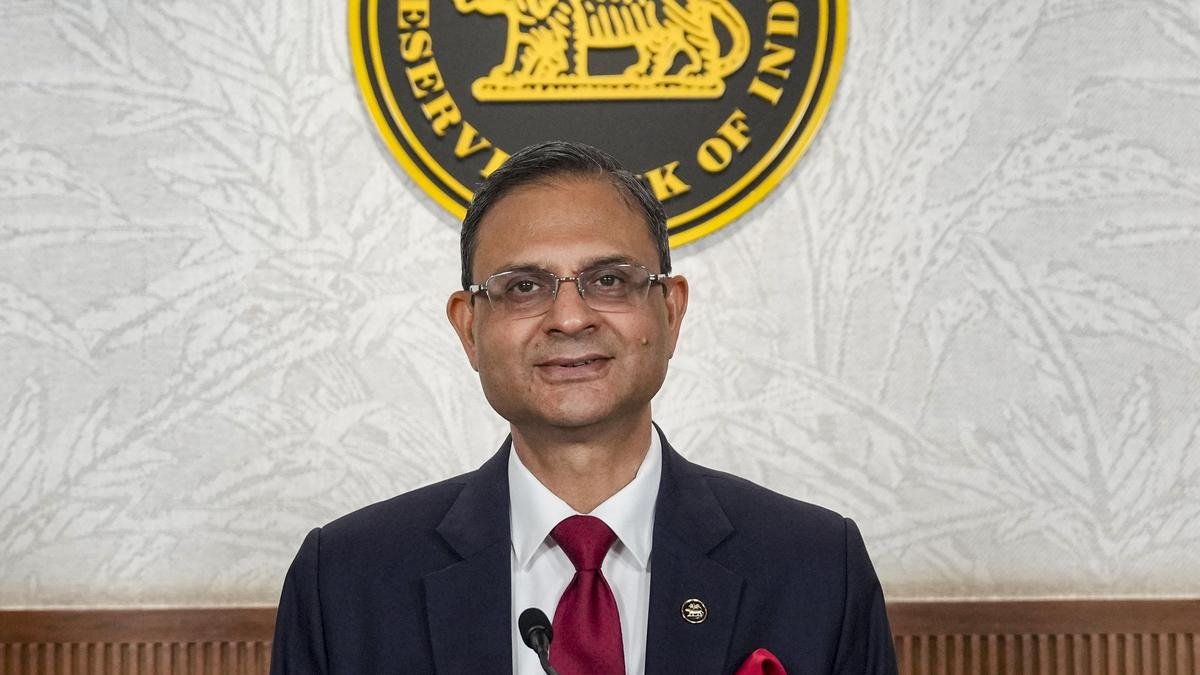
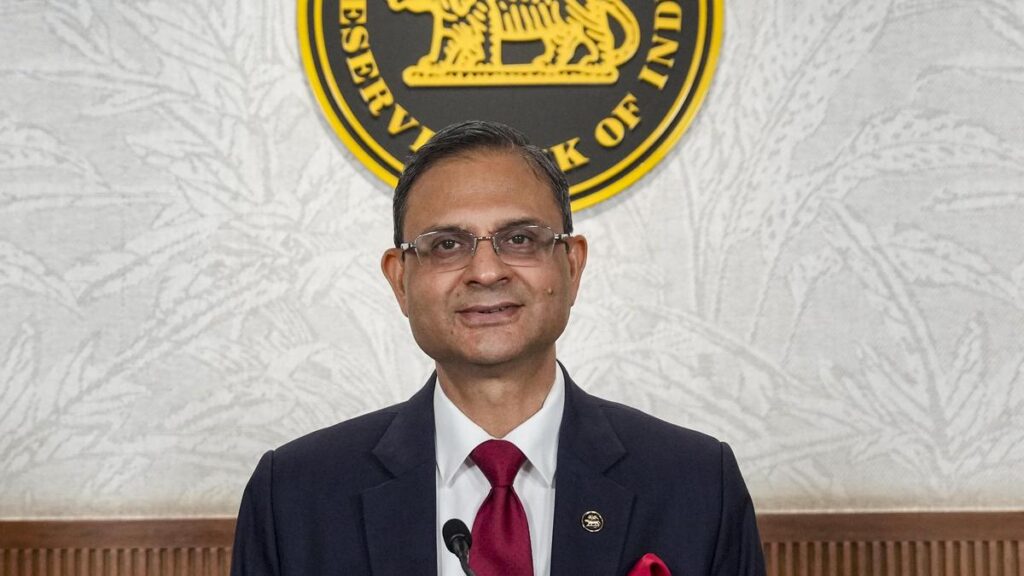
The Monetary Policy Committee (MPC), headed by RBI Governor Sanjay Malhotra, concluded its latest meeting with a decision to keep the benchmark repo rate unchanged at 5.25%.
The committee also retained its neutral policy stance, signaling that it wants to carefully monitor inflation, growth, and global developments before making further changes.
While interest rates remained unchanged, the biggest highlight was the announcement of several measures intended to improve forex inflows and reinforce India’s financial resilience.
How RBI Monetary Policy 2026 Affects Common People?
Experts believe that RBI Monetary Policy 2026 reflects a balanced strategy aimed at controlling inflation while supporting economic growth.
Why Is Forex Inflow So Important?
Foreign exchange inflows help a country maintain adequate reserves of international currencies, especially the US dollar.
Strong forex reserves provide several advantages:
- Support the domestic currency during volatility.
- Help pay for imports such as crude oil.
- Increase investor confidence.
- Improve financial stability.
- Protect the economy during global crises.
For a country like India, which imports a significant portion of its energy requirements, healthy forex reserves act as an important economic cushion.
According to the RBI, India’s foreign exchange reserves remain strong at over $682 billion, providing a comfortable buffer against external risks.
Why Investors Are Closely Watching RBI Monetary Policy 2026
Overall, RBI Monetary Policy 2026 demonstrates the central bank’s commitment to maintaining financial stability and encouraging sustainable economic growth.
7 Key Measures Announced by RBI
1. Encouraging Foreign Capital Inflows
The RBI announced steps designed to make India more attractive for overseas investments.
These measures are expected to improve dollar inflows into the country and help offset recent capital outflows witnessed in equity markets.
2. Easing Investment Rules for NRIs and OCIs
One of the notable announcements involved increasing investment flexibility for Non-Resident Indians (NRIs) and Overseas Citizens of India (OCIs).
The relaxation aims to encourage greater participation from the Indian diaspora in domestic financial markets.
3. Maintaining Liquidity in the Banking System
The Governor emphasized that the central bank would continue ensuring adequate liquidity to support productive sectors of the economy.
Stable liquidity conditions help banks extend credit to businesses and consumers while maintaining financial stability.
4. Protecting the Rupee Against External Shocks
Global uncertainty and rising crude oil prices have put pressure on many emerging market currencies.
The RBI’s latest measures are intended to support the rupee by improving foreign currency availability and reducing excessive market volatility.
5. Strengthening Investor Confidence
By maintaining policy stability and announcing supportive forex measures, the RBI aims to reassure both domestic and international investors that India’s economic fundamentals remain strong.
Stable policy environments generally attract long-term investments.
6. Preparing for Global Economic Risks
The central bank acknowledged that geopolitical tensions and supply chain disruptions continue to create uncertainty.
Higher energy costs and disruptions in global trade routes could impact inflation and growth, making proactive policy action essential.
7. Preserving Financial Stability
The overall objective of these initiatives is to maintain macroeconomic stability.
A combination of strong reserves, controlled inflation, adequate liquidity, and balanced monetary policy helps create a stable environment for economic growth.
Why Did RBI Keep the Repo Rate Unchanged?
Many market analysts expected the RBI to maintain the current rate despite global uncertainty.
An increase in rates could have slowed borrowing and investment, while a reduction might have increased inflationary pressures.
By keeping the repo rate unchanged at 5.25%, the central bank has adopted a cautious wait-and-watch approach.
Impact on Common People
Home Loan Borrowers
Since the repo rate remains unchanged, existing home loan EMIs linked to external benchmark rates are unlikely to see immediate changes.
Fixed Deposit Investors
FD interest rates may remain broadly stable in the near term.
Stock Market Investors
Measures aimed at increasing foreign capital inflows could support investor sentiment and improve market liquidity over time.
Import Businesses
A stronger forex position can help reduce volatility in import costs, especially for sectors dependent on crude oil and raw material imports.
Impact on the Indian Economy
India continues to face multiple global challenges, including rising energy prices and uncertain geopolitical conditions.
However, the latest RBI policy demonstrates confidence in the economy’s ability to absorb external shocks.
The central bank believes domestic economic activity remains resilient despite global disruptions.
Inflation Outlook
The RBI has revised its inflation outlook upward due to higher input costs and energy prices.
However, inflation is still expected to remain within the central bank’s broader tolerance band, although policymakers will closely monitor developments in the coming months.
GDP Growth Expectations
The RBI slightly lowered its GDP growth forecast while acknowledging external headwinds.
Despite these revisions, India continues to be among the fastest-growing major economies globally.
What Experts Are Watching Next
Financial markets will closely track:
- Future crude oil prices
- Foreign institutional investment trends
- Inflation data
- Rupee movement
- Global geopolitical developments
Any significant changes in these factors could influence the RBI’s next monetary policy decision.
Final Thoughts
The RBI Monetary Policy 2026 announcement reflects a careful balance between supporting growth and maintaining economic stability.
Rather than making aggressive interest rate changes, the central bank has chosen to strengthen India’s external position by encouraging forex inflows and preserving healthy foreign exchange reserves.
For investors, businesses, and ordinary citizens, these measures signal that policymakers remain focused on protecting the economy against global uncertainties while laying the groundwork for sustainable long-term growth.
As global markets continue to evolve, the success of these initiatives will largely depend on external conditions, capital flows, and the overall resilience of the Indian economy. Nevertheless, India’s strong forex reserves and proactive monetary management provide a solid foundation for navigating future challenges.