

Similipal Tiger Reserve 2026: Zeenat Gives Birth to 4 Tiger Cubs in Major Conservation Success
Introduction
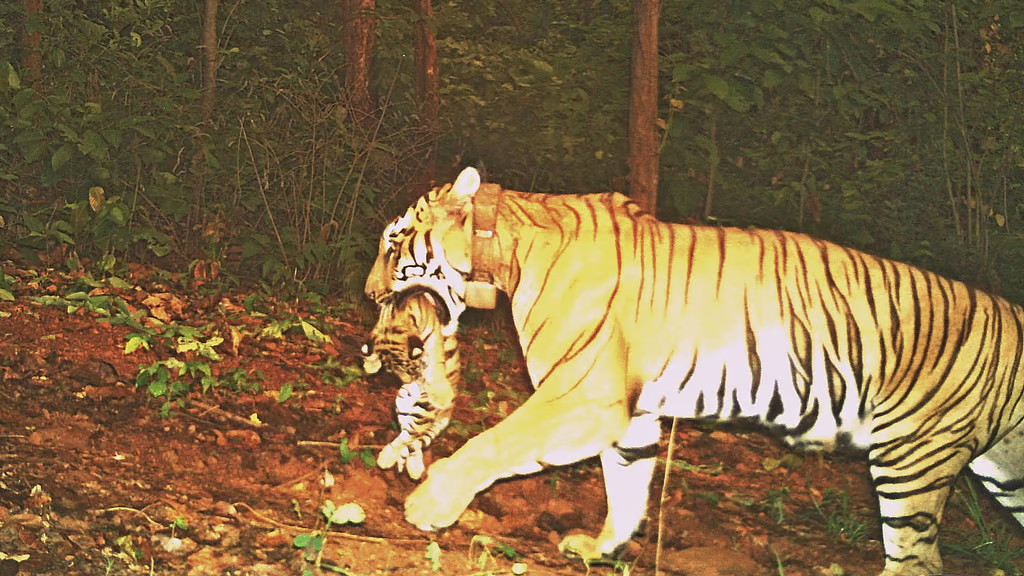
Similipal Tiger Reserve has achieved a remarkable conservation milestone with the birth of four healthy tiger cubs to tigress Zeenat, one of the big cats relocated from Maharashtra’s Tadoba-Andhari Tiger Reserve. The development has been hailed as a significant success for Odisha’s wildlife conservation efforts and highlights the effectiveness of science-based tiger supplementation programs.
The birth of the cubs not only strengthens the tiger population within Similipal Tiger Reserve but also contributes to improving the genetic diversity of the species in the region. State officials, wildlife experts, and conservationists have welcomed the achievement as a major step forward in preserving Odisha’s rich biodiversity.
According to Odisha Chief Minister Mohan Charan Majhi, the state government and forest department have implemented special measures to ensure the safety and well-being of Zeenat and her newborn cubs. The success story demonstrates how dedicated conservation strategies can deliver tangible results for endangered wildlife.
Similipal Tiger Reserve Witnesses a Historic Conservation Achievement
The birth of four tiger cubs in the central region of Similipal Tiger Reserve marks a new chapter in Odisha’s wildlife conservation journey. Zeenat, a tigress relocated from the renowned Tadoba-Andhari Tiger Reserve in Maharashtra, successfully gave birth to the cubs, which are currently around 20 to 21 days old.
This achievement is particularly significant because Zeenat was brought to Similipal as part of a tiger supplementation project designed to strengthen the reserve’s tiger population and improve genetic diversity.
Chief Minister Mohan Charan Majhi described the development as a reflection of the state’s commitment to science-driven conservation and the tireless efforts of forest officials and wildlife experts.
He stated that the successful birth demonstrates the effectiveness of carefully planned wildlife management programs and showcases Odisha’s growing reputation as a leader in biodiversity conservation.
Why Similipal Tiger Reserve Needed Tiger Supplementation
Genetic Diversity Challenges
One of the major challenges faced by Similipal Tiger Reserve has been maintaining a healthy and genetically diverse tiger population.
Over time, limited breeding opportunities among isolated tiger populations can lead to genetic bottlenecks. Such situations may reduce the overall health, adaptability, and survival prospects of future generations.
To address this concern, wildlife authorities initiated a tiger supplementation project by introducing female tigers from other reserves with strong genetic backgrounds.
Scientific Conservation Approach
The relocation of tigresses such as Zeenat and Jamuna was part of a broader strategy aimed at:
- Enhancing genetic diversity
- Strengthening breeding populations
- Increasing long-term tiger survival rates
- Improving ecosystem balance
- Supporting sustainable wildlife conservation
The birth of Zeenat’s cubs is now being viewed as proof that these scientific interventions are producing positive outcomes.
The Journey of Tigress Zeenat
Arrival from Maharashtra
Zeenat was brought from the famous Tadoba-Andhari Tiger Reserve in Maharashtra under the tiger supplementation initiative.
At approximately three years of age, she represented an important addition to the tiger population of Similipal Tiger Reserve.
Wildlife experts carefully selected the tigress based on her genetic suitability and adaptability to the habitat.
Unexpected Adventure Across States
Shortly after her relocation, Zeenat made headlines when she unexpectedly left the northern part of Similipal on December 7, 2024.
Her movement triggered a large-scale monitoring operation involving forest departments from Odisha, Jharkhand, and West Bengal.
For 23 days, wildlife officials closely tracked her movements across state boundaries.
Eventually, Zeenat was located and safely captured in West Bengal’s Bankura district.
Following a thorough medical examination at Kolkata’s Alipore Zoo, she was successfully transported back to Similipal Tiger Reserve on January 1, 2025.
At the time, many conservationists worried that the incident might affect the success of the supplementation project.
However, the birth of four healthy cubs has now turned Zeenat into a symbol of conservation success.
Special Protection Measures for Zeenat and Her Cubs
Recognizing the importance of the newborn cubs, Odisha’s Forest Department has implemented enhanced protection measures.
Continuous Monitoring
According to Similipal Tiger Reserve Field Director Prakash Chand Gogineni, wildlife officials are maintaining round-the-clock surveillance.
The monitoring system includes:
- GPS tracking devices
- Camera traps
- Field patrol teams
- Habitat surveillance units
- Veterinary support teams
These technologies help conservation teams monitor Zeenat’s movements without disturbing her natural behavior.
Camera Trap Surveillance
Video and camera traps installed throughout the reserve are providing valuable insights into the health and activities of the mother and her cubs.
Such non-invasive monitoring techniques have become an essential part of modern wildlife conservation programs.

Tiger Population in Similipal Tiger Reserve Continues to Grow
The addition of Zeenat’s four cubs has further strengthened the tiger population within Similipal Tiger Reserve.
Before the birth, the reserve was home to 12 tiger cubs.
With the arrival of Zeenat’s litter, the total number of cubs has increased to 16.
This growth represents a positive trend for tiger conservation in Odisha and demonstrates the effectiveness of ongoing wildlife management efforts.
Importance of Cub Survival
While the birth itself is a major achievement, wildlife experts emphasize that cub survival remains equally important.
As Zeenat is a first-time mother, forest officials will continue closely monitoring the situation.
Field Director Gogineni noted that in some successful cases, all cubs have survived to adulthood. However, the early months remain critical for their development and safety.
Factors influencing survival include:
- Availability of prey
- Habitat security
- Protection from threats
- Maternal care
- Disease prevention
Conservation teams are optimistic but remain vigilant.
Similipal Tiger Reserve as a Model for Biodiversity Conservation
Government Commitment
Forest, Environment and Climate Change Minister Ganesh Ram Singhkhuntia praised the collective efforts behind this achievement.
According to the minister, Odisha has emerged as a model state for biodiversity conservation due to:
- Dedicated forest staff
- Modern conservation practices
- Scientific wildlife management
- Strong government support
- Long-term ecological planning
The state government has consistently prioritized wildlife protection and ecosystem restoration efforts.
Preserving Ecological Balance
Officials emphasize that tiger conservation goes beyond protecting a single species.
Tigers serve as apex predators and play a vital role in maintaining ecological balance.
A healthy tiger population contributes to:
- Stable prey populations
- Balanced ecosystems
- Forest conservation
- Biodiversity protection
- Sustainable environmental health
The success at Similipal Tiger Reserve therefore benefits the entire ecosystem.
What Happened to Tigress Jamuna?
Jamuna, another tigress introduced under the supplementation program, has established herself in the nearby Kuldiha Wildlife Sanctuary.
While wildlife authorities continue to monitor her activities, there is currently no confirmed evidence that she is pregnant.
Conservationists remain hopeful that Jamuna may also contribute to future population growth and genetic diversification efforts.
Her successful adaptation to the region already represents an important achievement for the supplementation project.
The Importance of Similipal Tiger Reserve in India
A Unique Wildlife Habitat
Similipal Tiger Reserve is one of India’s most important protected wildlife landscapes.
Located in Odisha’s Mayurbhanj district, the reserve is known for:
- Dense forests
- Rich biodiversity
- Rare wildlife species
- Waterfalls and rivers
- Unique ecosystems
The reserve provides habitat to numerous species, including:
- Royal Bengal Tigers
- Asian Elephants
- Leopards
- Gaur
- Sambar Deer
- Wild Boar
- Various bird species
National Conservation Significance
The reserve plays a critical role in India’s broader tiger conservation strategy.
As tiger numbers continue to recover in several regions, maintaining healthy genetic diversity has become increasingly important.
Projects like the supplementation initiative at Similipal Tiger Reserve are helping ensure sustainable growth for future generations.
Challenges Ahead
Despite this success, wildlife conservation remains a continuous process.
Several challenges still require attention:
Habitat Protection
Maintaining high-quality habitat remains essential for supporting growing tiger populations.
Human-Wildlife Conflict
As tiger populations increase, effective strategies must be implemented to minimize conflicts between wildlife and nearby communities.
Climate Change
Changing environmental conditions may impact prey availability, water resources, and habitat quality.
Long-Term Monitoring
Ongoing scientific monitoring will be necessary to evaluate the success of supplementation programs and ensure sustainable outcomes.
Future of Tiger Conservation in Odisha
The successful birth of Zeenat’s cubs provides renewed optimism for tiger conservation efforts across Odisha.
Experts believe that continued investment in:
- Scientific research
- Habitat management
- Wildlife monitoring
- Community participation
- Anti-poaching measures
will further strengthen the state’s conservation achievements.
If current efforts continue, Similipal Tiger Reserve could become one of India’s most successful examples of science-based tiger recovery and biodiversity preservation.
Conclusion
The birth of four healthy tiger cubs to Zeenat in Similipal Tiger Reserve represents a landmark achievement for Odisha’s wildlife conservation efforts. It validates years of planning, scientific intervention, and dedicated work by forest officials and conservation experts.
From her dramatic journey across three states to becoming a mother of four, Zeenat’s story symbolizes resilience, adaptation, and the success of modern conservation strategies.
With the tiger cub count now increasing from 12 to 16, Odisha has taken another important step toward strengthening its tiger population and preserving biodiversity for future generations.
As authorities continue monitoring Zeenat and her cubs, the success at Similipal Tiger Reserve stands as a powerful example of how science, commitment, and environmental stewardship can work together to protect one of nature’s most iconic species.


